

2027 California Minimum Wage Update:
What HR Teams Need to Know
Statewide Minimum Wage
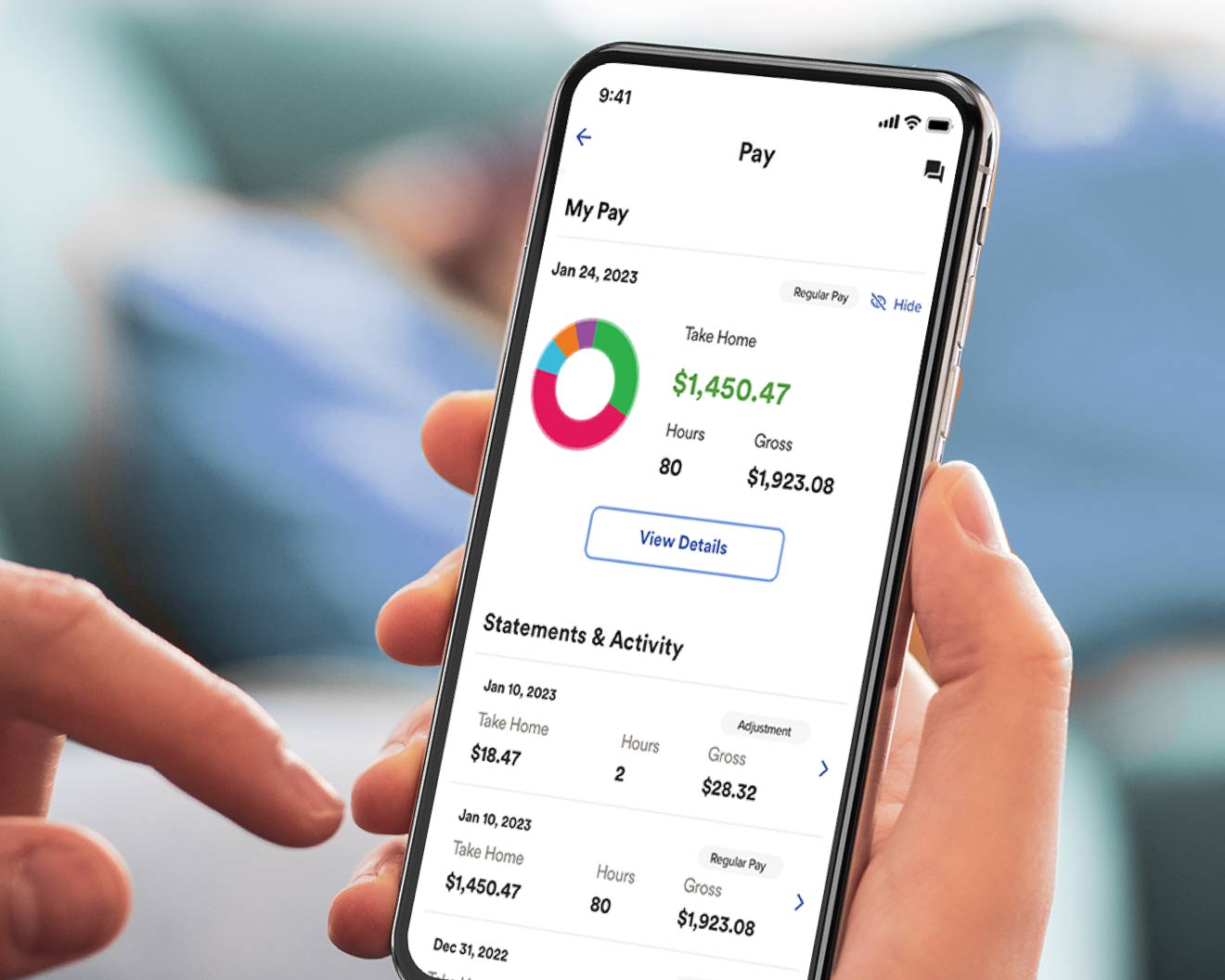
California adjusts its statewide minimum wage each year based on CPI (Consumer Price Index), with the state Department of Finance certifying the new rate by August 1 of the prior year. For 2027, the certified statewide minimum wage is $17.40/hour for all employers, regardless of size.
California's 2027 minimum wage adjustment touches more than payroll — it affects exempt salary thresholds, postings, sector pay floors, and local ordinances. Here's what to have locked down, and where to verify the numbers.
Action items:
Update payroll systems and pay rates effective January 1, 2027 (if not already done).
Post the updated wage order poster in every workplace, including remote-work equivalents (electronic posting policies vary — check your specific obligations).
Notify employees of the wage change per California's wage theft prevention notice requirements if their pay rate changed.
Exempt Salary Threshold Increase
Because California ties the exempt salary threshold to the state minimum wage, the minimum annual salary to qualify for the executive, administrative, or professional exemption rises in lockstep. At $17.40/hour, the threshold works out to roughly $72,384/year (2x minimum wage, full-time equivalent).
Action items:
Audit exempt employees currently paid near the prior threshold — anyone below the new number must be reclassified as non-exempt or receive a salary bump.
Don't forget computer software employee and licensed physician exemptions, which have their own separate (higher) minimum thresholds that also adjust annually.
Sector-Specific Wage Floors
Two carve-outs continue to run ahead of the general minimum wage:
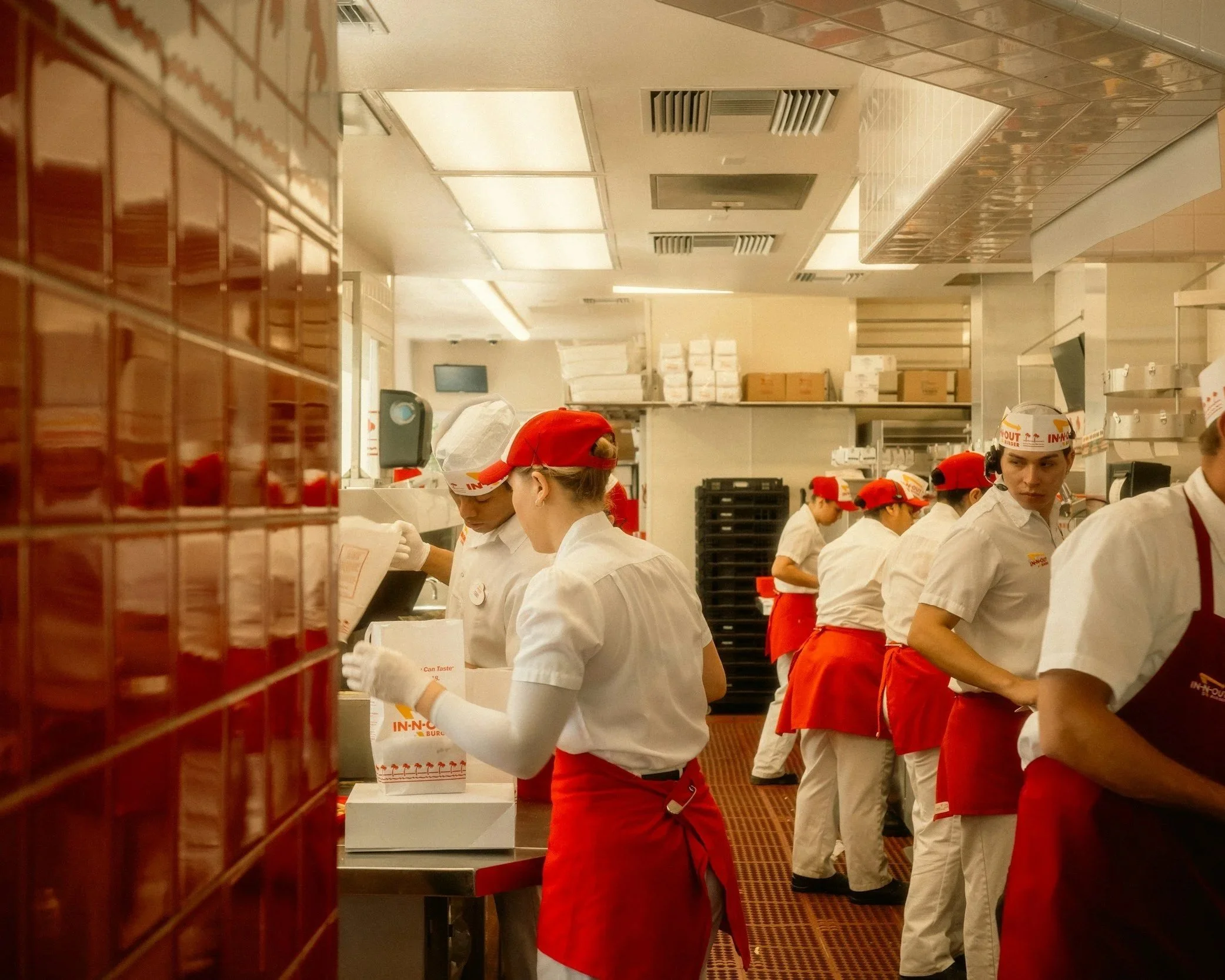
Fast food workers (covered chains under AB 1228) are on a separate, higher wage track, adjusted annually by the Fast Food Council.

Healthcare workers (under SB 525) are on a multi-year phased schedule that varies by facility type, climbing toward $25/hour over several years.
Both of these tracks move independently of the general minimum wage and the exact 2027 figures are worth confirming directly, since they're set by separate bodies on different timelines.
Local Minimum Wage Ordinances
Dozens of California cities and counties set their own minimum wage — often higher than the state rate — and many adjust on July 1 rather than January 1. If you have employees in places like San Francisco, Los Angeles (city or county), Emeryville, West Hollywood, or Berkeley, you're tracking two different effective dates and two different rates per location.
Action items:
Build a location-by-location wage matrix rather than relying on the statewide number as a floor everywhere.
Set a recurring compliance check for July 1 local adjustments, separate from your January 1 state-level review.
Compliance Checklist for HR
Confirm current statewide, local, and sector-specific rates against official sources
Update payroll rates and exempt salary floors
Reissue wage theft prevention notices for affected employees
Refresh workplace wage order postings (physical and remote)
Re-audit exempt classifications against the new threshold
Confirm meal/rest break premium pay calculations reflect new base rates
Check any city/county ordinances with different effective dates
A Note on Verification
Minimum wage figures are exactly the kind of detail that's easy to get slightly wrong or out of date. Before finalizing payroll changes or publishing employee-facing communications, confirm current rates directly with the California Department of Industrial Relations and any relevant city/county labor office, since local rates and sector-specific tracks (fast food, healthcare) are set by separate processes and can change independently of the statewide rate.
This post is intended as a general HR compliance overview and doesn't constitute legal advice.
Have questions about how these changes affect your organization? Reach out to us at hello@lucidhrsolutions.com — we're happy to help you navigate compliance for 2027 and beyond.